
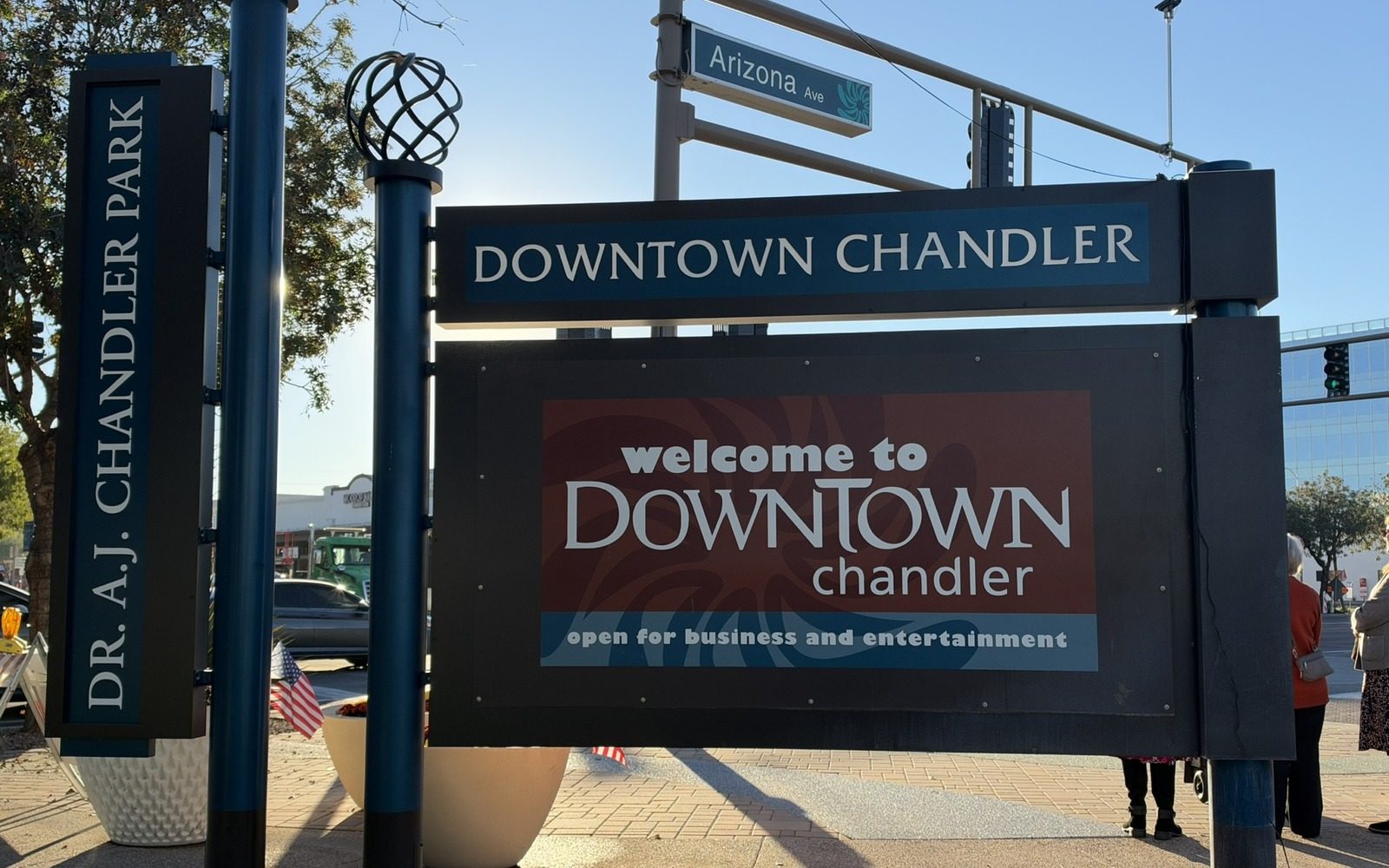
Homes near Downtown Chandler are usually older and more individual than homes in the newer master planned communities, and buyers here are often paying for walkability, character and lot size as much as square footage. Price them against genuinely similar older homes nearby, not newer subdivisions. Market the location and the details. And deal with the systems older homes tend to need, like electrical panels, roofs and plumbing, before an inspector finds them.
Downtown and Historic Chandler have a different buyer profile than the newer master planned communities further out, walkability, character, and proximity to the arts and dining scene matter as much to these buyers as square footage.
What makes this market different
Homes here tend to be older, often with more unique architecture and lot layouts than the cookie cutter floor plans found in newer developments. Buyers drawn to this area are often specifically looking for that character and a walkable lifestyle close to downtown, not comparing it directly to a brand new build in San Tan Valley.
Chandler itself was founded in 1912 by Dr. Alexander John Chandler, and the historic downtown grew up around what is now Dr. A.J. Chandler Park and the historic San Marcos resort. That history is part of what you're selling. Buyers who want this area usually already know it, and they're looking for the home that lets them be part of it.
Pricing an older home correctly
Comping a historic or older Chandler home requires looking at genuinely similar properties, age, lot size, and level of updating, rather than blending it with newer inventory nearby that will skew the numbers. I pull comps specific to this pocket of the market so your price reflects reality.
Older homes are harder to comp because no two are alike. Fewer true comparables means each adjustment matters more, so I'll show you exactly how I adjusted for lot size, updates, a pool, a garage conversion or an addition. If the appraiser has to work hard to find comps, you want your price already backed by the same evidence. See Pricing your Arizona home with confidence.
What buyers in this area actually value
Walkability to downtown dining and events, character and charm over cookie cutter uniformity, and lot size (often larger and more mature than newer developments) tend to matter more here than a brand new kitchen or bathroom.
Many homes near downtown also have no HOA, which is a real draw for buyers who don't want association rules. If yours is one of them, say so in the listing.
Marketing an older home well
Photos and descriptions need to lean into what makes the home and the area special, proximity to downtown events, mature landscaping, unique architectural details, rather than trying to compete on "newest" or "most amenities."
Shoot the mature trees, the porch, the original details and the walk to downtown. Then answer the questions an older home raises right in the listing: the roof age, the electrical panel, the plumbing updates, whether the addition was permitted.
Disclosures that come up on older homes
If your home was built before 1978, federal law requires you to give the buyer a lead based paint disclosure and an information pamphlet, and the buyer gets a chance to test for it. It's a standard part of selling an older home, and your agent should have the form ready on day one.
Older homes also tend to have more history to disclose. Past roof leaks, sewer line repairs, foundation work, and anything you know about permits all belong on the Seller's Property Disclosure Statement. Buyers of older homes expect some history. What they don't forgive is finding it out after closing. More on what goes on the SPDS in Arizona seller disclosure, what buyers and sellers need to know.
What to address before listing
Older homes sometimes carry deferred maintenance that's worth addressing before listing, aging electrical panels, older roofing, or plumbing that hasn't been updated. I'll walk your home with you and tell you honestly what's worth fixing first.
| What inspectors look at in older homes | What to do before listing |
|---|---|
| Electrical panel and wiring | Get an electrician's opinion on anything original |
| Plumbing and sewer line | Consider a sewer line camera inspection |
| Roof | Know its age and condition |
| Additions and conversions | Pull the permit history and gather receipts |
| Irrigation | Some older Chandler lots use flood irrigation, so know how yours works |
Anything you know about goes on your Seller's Property Disclosure Statement, the SPDS. Disclosing it up front turns a surprise into a negotiation. More on getting ready in Preparing your Arizona home for sale.
Insurance and financing for older homes
Some insurance companies look harder at older homes, especially at the electrical panel, the plumbing material and the roof. Some older panel brands and older plumbing types can make a home harder to insure. If your buyer can't get insurance, their lender won't fund the loan, and the deal stalls in the final week. Getting ahead of that with an electrician's or plumber's opinion before you list can save your sale.
Government backed loans like FHA and VA also have minimum property standards. Peeling paint, missing handrails or a broken window can show up as required repairs on the appraisal. Walk the home with those standards in mind before you list, and fix the small items that would otherwise land on a lender's list in the middle of escrow.
Who your buyers are likely to be
Buyers for older homes near downtown tend to be specific about what they want. Some want a home they can update over time. Some want a home that's already been updated with care. Some are cash buyers or buyers using a renovation loan who plan to take on a bigger project. Knowing which group your home fits best decides how we price it, how we photograph it and what we say in the listing.
The bottom line
Selling an older or historic Chandler home takes a different strategy than a newer subdivision, and I know how to market what makes your property genuinely special.
Let's take the confusion out of this decision, schedule your clarity call today.
Questions, answered.
Do older homes in Chandler sell for less than newer ones?
Not necessarily, it depends heavily on condition, updates, and how well the home is marketed to the buyers who specifically want this area's character.
What are buyers typically looking for in Downtown Chandler?
Often buyers who value walkability, community events, and character over the amenities of a newer master planned community further from the city center.
Should I update my kitchen before selling an older Chandler home?
Sometimes, we'll look at the real return based on your specific home and buyer pool before deciding.
Should I get a sewer line inspection before selling an older home?
It's worth considering. Buyers of older homes often order one, and knowing the condition ahead of time lets you fix it or disclose it on your terms.
Does it matter if my addition wasn't permitted?
Yes. Unpermitted work can affect value, financing and the appraisal. Pull your permit history from the city and talk with me about how to handle it before you list.
Want to talk it through?
Bring me the specifics of your situation and I will tell you straight what I would do. No pitch, nothing to sign, and no obligation to work with me afterward.
Schedule your clarity call