
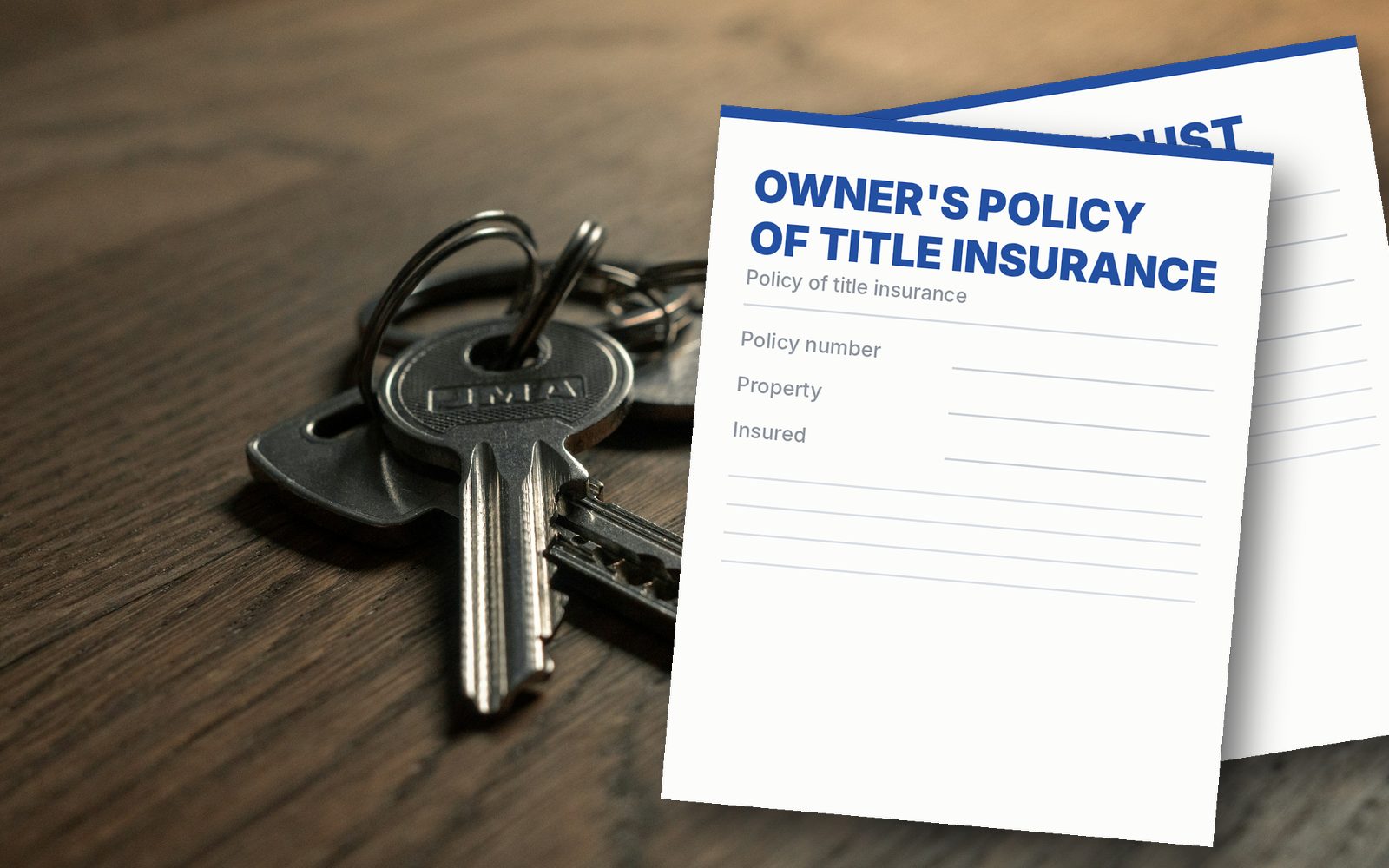
In Arizona, a title and escrow company usually handles both jobs. Escrow is the neutral party that holds the money and documents until every condition of the contract is met. Title insurance protects against problems with ownership history, like undisclosed liens, recording errors or ownership claims, that surface after you buy. The lender requires a lender's policy, and the owner's policy protects you. In Arizona, the seller often pays for the buyer's owner's policy, but it's a negotiable term in the contract.
Title insurance and escrow are standard parts of nearly every Arizona home sale, but most buyers sign the paperwork without fully understanding what they're actually paying for, here's a plain language breakdown.
What escrow actually is
Escrow is a neutral third party that holds funds and documents throughout your transaction, ensuring neither buyer nor seller gains access to money or the property until all agreed upon conditions are met. It protects both sides equally. In Arizona, the escrow officer usually works for a title company, so one company handles both.
Your earnest money goes into the escrow company's trust account, not to the seller. It stays there until closing, when it's credited toward your purchase, or until the contract says where it goes if the deal ends.
What title insurance protects against
Title insurance protects against issues with the property's ownership history, undisclosed liens, ownership disputes, or errors in public records, that could surface after you've already purchased the home.
Owner's policy vs. lender's policy
Your lender will require a lender's title policy protecting their interest in the loan. An owner's title policy protects your own ownership interest. In Arizona, it's common for the seller to pay for the buyer's owner's policy, but who pays for what is written into the contract and can be negotiated.
| Owner's policy | Lender's policy | |
|---|---|---|
| Protects | You, the owner | Your lender |
| Required by | Not required, but strongly recommended | Your lender, on a financed purchase |
| Often paid by in Arizona | The seller, by contract | The buyer |
| Lasts | As long as you own the home | Until the loan is paid off |
How you'll hold title
The deed shows how you own the home, which is called vesting. Arizona offers several options. Married couples often choose community property with right of survivorship, and others choose joint tenancy with right of survivorship or tenancy in common. The choice affects what happens if one owner dies and can have tax effects. The title company can explain the options, and your attorney or tax advisor can help you choose. Decide before signing day, not at the table.
Your owner's policy, in plain words
An owner's policy is paid once, at closing, and protects you for as long as you or your heirs own the home. Ask whether your policy is the homeowner's policy with expanded coverage, which usually covers more risks than a standard policy. It's a question worth asking even when the seller is paying for it.
Why a title search happens before closing
Before closing, the title company researches the property's ownership history to identify any issues, liens, easements, or disputes, that need resolving before you can receive clear title. You'll get a document called a title commitment that lists them. Read the exceptions section, because it shows what the policy won't cover, like easements and CC&Rs.
What happens if a title issue surfaces
If an issue surfaces during the title search, it needs to be resolved before closing, sometimes a simple fix, sometimes requiring more negotiation. A leftover lien from a contractor or an old solar loan filing are common examples. I stay closely involved if this happens on your transaction to keep things moving.
Signing, funding and recording
In Arizona, signing isn't the same as closing. You'll usually sign your documents a few days before the close of escrow date. Then the lender sends the loan money to escrow, which is called funding. The sale officially closes when the deed is recorded with the county recorder, and that's when you get the keys. Knowing these three steps helps you plan your move and your utilities for the right day.
What escrow does for you along the way
Escrow follows written instructions signed by both sides. It holds the earnest money, collects payoff amounts for the seller's loans, orders HOA documents, prorates taxes and HOA dues, and prepares the closing statement that shows every dollar in and out. Read that statement before you sign, and ask about any line you don't understand.
Protect yourself from wire fraud
Criminals target real estate closings with fake emails that look like they came from the title company, asking you to wire your money somewhere else. Before you send a single dollar, call the title company at a phone number you looked up yourself, not one in an email, and confirm the wiring instructions out loud. Title companies don't change wiring instructions by email.
The bottom line
Title and escrow protect you in ways that aren't always obvious until something goes wrong, I make sure you understand exactly what you're getting. For the costs involved, see What closing costs should buyers expect?
Let's take the confusion out of this decision, schedule your clarity call today.
Questions, answered.
Do I have to buy owner's title insurance?
It's not always required, but I strongly recommend it. In Arizona, the seller often pays for it by agreement in the contract.
Who chooses the title and escrow company in Arizona?
It's often negotiated as part of the offer. I'll help you understand your options.
What if a title issue is discovered after I already own the home?
This is exactly the scenario owner's title insurance protects against, potentially covering legal costs and losses related to a covered title defect.
What is a title commitment?
The document the title company issues before closing that shows who owns the property, what has to be cleared, and what the policy won't cover.
How do I avoid wire fraud at closing?
Call the title company at a number you looked up yourself and confirm the wiring instructions out loud before you send money. Never trust wiring changes sent by email.
Want to talk it through?
Bring me the specifics of your situation and I will tell you straight what I would do. No pitch, nothing to sign, and no obligation to work with me afterward.
Ask me about title and escrow