
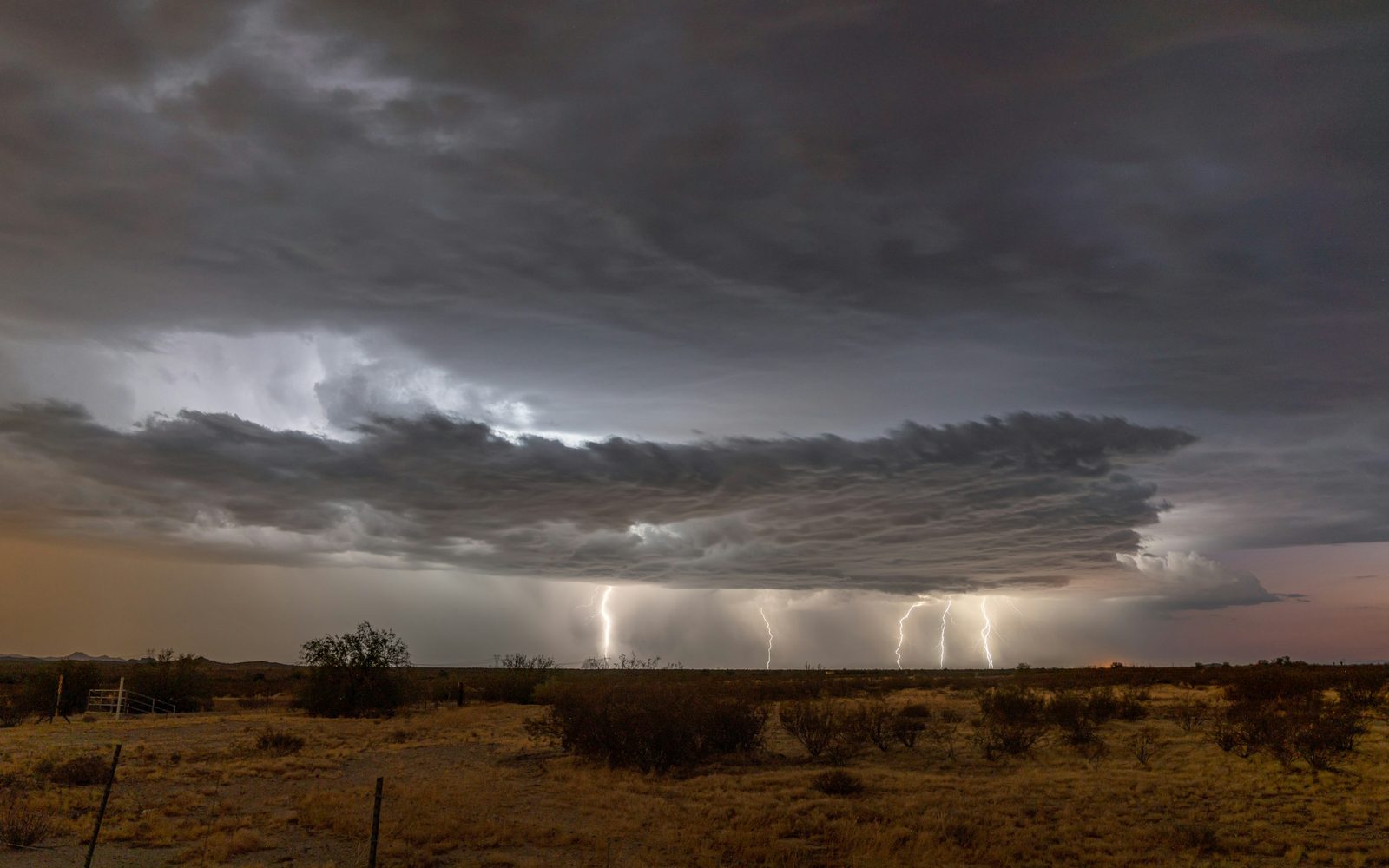
Arizona's monsoon season officially runs June 15 through September 30, with the most storms usually in July and August. Before it starts, have the roof checked for loose or cracked tiles and worn underlayment, clear gutters and drainage paths, trim trees, secure patio furniture, and make sure the grading moves water away from the foundation. Check your flood zone by address on FEMA's map service. If you're selling, document any storm repairs and disclose past damage.
Arizona's monsoon season brings genuine risks to Chandler homes, wind damage, dust, flash flooding, and power outages, and a little preparation goes a long way, whether you're staying put or getting ready to list.
When monsoon season is
The official monsoon season in Arizona runs from June 15 through September 30, with the most active storms typically in July and August. Storms can build fast in the afternoon and evening, so prep before mid June, not after the first one.
Roof and gutter inspection
Before monsoon season, it's worth having your roof inspected for loose or cracked tiles and ensuring gutters and drainage are clear, since sudden heavy rain can expose weaknesses a dry season never revealed. On tile roofs, the underlayment beneath the tile is what actually keeps water out, and it wears out long before the tile does. If yours is original on a home that's twenty years old or more, have a roofer look at it.
Tree and landscaping maintenance
Trim trees and secure loose landscaping items well before storm season, falling branches and airborne debris are among the most common sources of monsoon damage to homes and vehicles. Tall, top heavy trees near the house deserve a professional look.
Check your irrigation before the storms arrive, too. Trees that are watered with shallow, frequent watering tend to grow shallow roots, which makes them easier to blow over. Deep, less frequent watering helps roots grow down. If you're not sure how your system is set, a landscaper can adjust it in an afternoon.
Drainage and grading around your home
Confirm that grading directs water away from your foundation, and address any low spots where water tends to pool during heavy rain, which can lead to real foundation or moisture issues over time. Make sure scuppers and downspouts aren't blocked, and that water leaving the roof has somewhere to go.
Dust storms on the road
Monsoon season also brings dust storms that can drop visibility to almost nothing in seconds. The Arizona Department of Transportation's advice is simple and worth remembering: if you're caught in one, pull off the road as far as you safely can, turn off your lights, take your foot off the brake and wait it out. Their campaign calls it Pull Aside, Stay Alive.
Garage doors and windows
High monsoon winds put real stress on garage doors and windows, reinforcing or upgrading older garage doors is worth considering if yours hasn't been updated in years.
Power outages and the pool
Storms knock out power. Know how to reset your pool equipment and your AC after an outage, keep flashlights handy, and if you have a pool, skim it and check the pump after a dust storm.
Flood insurance is separate
A standard homeowners policy generally doesn't cover flood damage. Flood insurance is a separate policy, often through the National Flood Insurance Program, and there's usually a waiting period before a new policy takes effect. If you're thinking about it, don't wait until a storm is in the forecast. Ask your insurance agent about your options, whether or not your home is in a mapped flood zone.
After a storm
1 - Walk the outside of the house and look for loose or broken roof tiles, downed branches and damaged fences.
2 - Check inside for water stains on ceilings and around windows and doors.
3 - Clear debris from the pool and check the pump and filter.
4 - Take photos of any damage before you clean up, in case you need to file a claim.
5 - Call a licensed contractor for roof or structural repairs, and keep the receipts.
Your electric company has an outage map online. SRP and APS both post outage information, so bookmark the one that serves your home before the season starts.
Your quick checklist
| Before mid June | Why |
|---|---|
| Roof and underlayment check | Heavy rain finds weak spots |
| Clear gutters, scuppers and drains | Water needs a path off the roof |
| Trim trees | Wind brings down branches |
| Secure patio furniture and umbrellas | Wind turns them into projectiles |
| Check grading near the foundation | Keep water away from the house |
| Check your flood zone | Know your risk and insurance options |
You can check flood zone status for free by address on FEMA's flood map service. See How do Chandler flood zones and drainage affect buying a home?
What this means if you're selling during monsoon season
If you're listing during monsoon months, buyers may specifically ask about past storm damage or drainage issues. Be ready with receipts for any roof or storm repairs, and disclose past damage on your Seller's Property Disclosure Statement. Buyers are also likely to ask about your insurance claims history.
The bottom line
A little preparation before monsoon season protects your home and your investment, I'm happy to talk through specific concerns for your property.
Send me a message with your questions.
Questions, answered.
When is monsoon season in Arizona?
The official season runs June 15 through September 30, with the most active storms typically in July and August.
Does monsoon damage affect home value in Chandler?
Unaddressed storm damage can affect both value and marketability, proactive prep and prompt repairs after any damage protect your investment either way.
Should I be concerned about flooding in Chandler?
Flash flooding risk varies by specific location and drainage. You can check any address's flood zone for free on FEMA's flood map service, and I can help you understand it for a property you own or are considering.
What part of a tile roof fails first?
Usually the underlayment beneath the tiles, which wears out well before the tile itself.
Do I have to disclose past storm damage when I sell?
Disclose what you know on your Seller's Property Disclosure Statement, including past damage and repairs. Keep the receipts.
Want to talk it through?
Bring me the specifics of your situation and I will tell you straight what I would do. No pitch, nothing to sign, and no obligation to work with me afterward.
Ask me about your home