
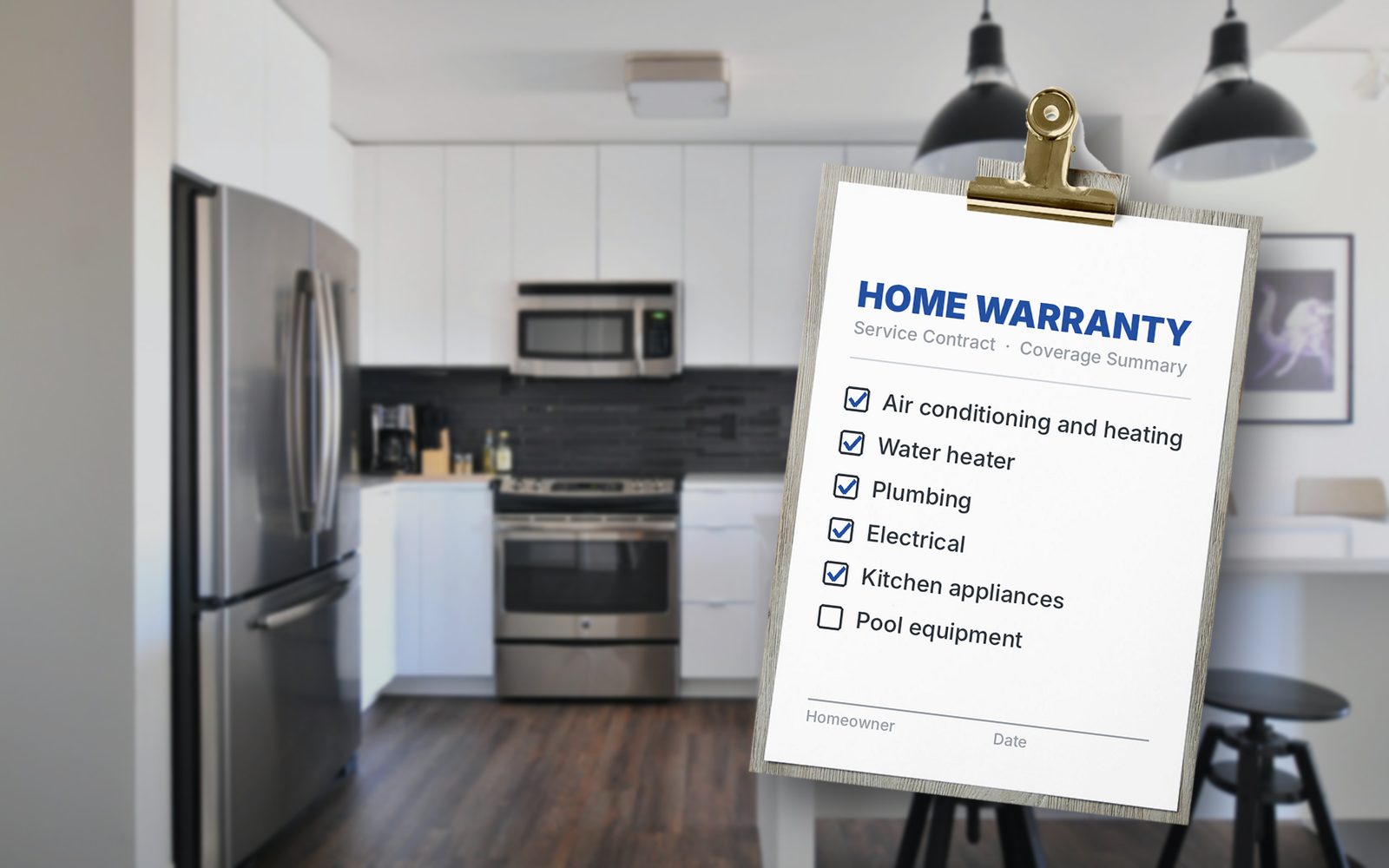
A home warranty is a service contract that helps pay to repair or replace covered systems and appliances, usually for a yearly price plus a service fee per visit. In Arizona, companies that sell them must hold a permit from the Arizona Department of Insurance and Financial Institutions. They can be worth it for an older home with an aging AC, but coverage has caps, exclusions and waiting periods. Read the contract, check the company's permit and compare the cost against setting aside your own repair fund.
A home warranty sounds simple. Pay a yearly fee, and when something breaks, it gets fixed. In real life it's a little more complicated, and whether one is worth it depends on the home, the contract and the company. Here's how they work in Arizona and how I'd think about it.
What a home warranty actually is
A home warranty is a service contract, not insurance and not a manufacturer's warranty. The Arizona Department of Insurance and Financial Institutions describes it as a contract that pays to repair or replace covered items, and its consumer guide to home warranty service contracts explains what to look for. You pay a yearly price, and each time a technician comes out, you usually pay a service fee too.
Homeowners insurance is different. It covers sudden damage from events like fire, a burst pipe or a storm. A home warranty covers things that wear out, like an AC compressor or a dishwasher.
Check the company's permit
In Arizona, companies that sell home warranties must have a permit from the Department of Insurance and Financial Institutions, and the department recommends checking a company's licensing record before you buy. The department has issued cease and desist orders against companies selling without a permit, and in one case the Arizona Attorney General announced an $11.8 million settlement with a home warranty company after many consumer complaints about air conditioning claims. Look the company up before you sign, and read recent reviews from Arizona customers.
What's usually covered, and what isn't
| Usually covered, depending on the plan | Often excluded or limited |
|---|---|
| Heating and cooling systems | Problems that existed before the contract started |
| Plumbing and water heaters | Items that weren't maintained |
| Electrical systems | Code upgrades and permits |
| Kitchen appliances | Roofs, unless added |
| Garage door openers | Pool and spa equipment, unless added |
Every contract is different, so read the actual contract, not the brochure. Pay close attention to dollar limits on big items like the AC, rules about how the company decides between repair and replacement, and anything about pre existing conditions and maintenance records.
The Arizona AC question
In the Phoenix area, the AC is the system people worry about most, and for good reason. Before you count on a warranty for it, find out the dollar limit for AC repairs and replacement, how quickly the company sends a technician in summer, and whether you can choose your own contractor. Keep your AC service receipts, since a company may ask for proof of maintenance.
Questions to ask before you sign
1 - What's the dollar limit on AC repair and on AC replacement?
2 - What's the service fee per visit, and is it charged again if the technician has to come back?
3 - How does the company decide between repairing and replacing, and who picks the contractor?
4 - Is there a waiting period before coverage starts?
5 - What maintenance records will you ask for when I file a claim?
6 - Can I cancel, and do I get a refund for the unused months?
Get the answers in writing, or find them in the contract itself. A sales rep's promise on the phone isn't what you're buying. That was the heart of the Attorney General's case I mentioned above. The state said customers were told one thing about AC coverage and found something different in the fine print when their system failed in the heat. The company denied the allegations, but the lesson for you is the same either way. The contract is what counts.
When a warranty can make sense
A warranty can be worth it on an older home where the AC, water heater and appliances are near the end of their lives, especially for a buyer who just spent their savings on a down payment. It can also give a seller a selling point. Sellers often offer to pay for a one year warranty for the buyer at closing, which costs the seller relatively little and can ease a buyer's worry.
When it may not
On a newer home with systems still under the builder's or manufacturer's warranty, a home warranty may cover little that isn't already protected. And if you have a healthy savings cushion, you may come out ahead by setting money aside each month for repairs instead.
Do the math like a CPA would
Add up the yearly price and a realistic number of service fees. Compare that with what you'd likely spend on repairs for the systems in your home, based on their ages. Then ask yourself how you'd handle a large surprise repair without the warranty. If the honest answer is that it would be a real hardship, the warranty may be worth it for peace of mind. If not, a dedicated repair fund may serve you better.
If you're buying
Ask whether the seller will provide a one year home warranty as part of the offer. It doesn't replace a home inspection. Use your inspection period to find problems, and negotiate those on the BINSR. A warranty usually won't cover issues that existed before it started, so don't count on it to fix what the inspector already found.
If you're selling
Offering a home warranty can help, especially on an older home or in a slower market. Choose a permitted company, and keep the cost on your net sheet. See Selling for top dollar in a slower market.
The bottom line
A home warranty can be a useful backstop, or an expense that covers less than you expected. Read the contract, check the company's permit and do the math for your own home before you decide.
Send me a message if you'd like help comparing warranty options.
Questions, answered.
Is a home warranty the same as homeowners insurance?
No. Insurance covers sudden damage like fire or a burst pipe. A home warranty is a service contract that helps with repair or replacement of covered systems and appliances that wear out.
Who regulates home warranty companies in Arizona?
Companies must hold a permit from the Arizona Department of Insurance and Financial Institutions. Check a company's record before you buy.
Does a home warranty cover my AC?
Most plans include heating and cooling, but with dollar limits and conditions. Read the contract's AC section closely and keep your service records.
Should a seller offer a home warranty?
It can help, especially on an older home or in a slower market. The cost is usually modest compared with the reassurance it gives a buyer.
Does a home warranty replace a home inspection?
No. Warranties usually don't cover issues that existed before the contract started. Use your inspection period to find problems.
Want to talk it through?
Bring me the specifics of your situation and I will tell you straight what I would do. No pitch, nothing to sign, and no obligation to work with me afterward.
Ask me about home warranties