
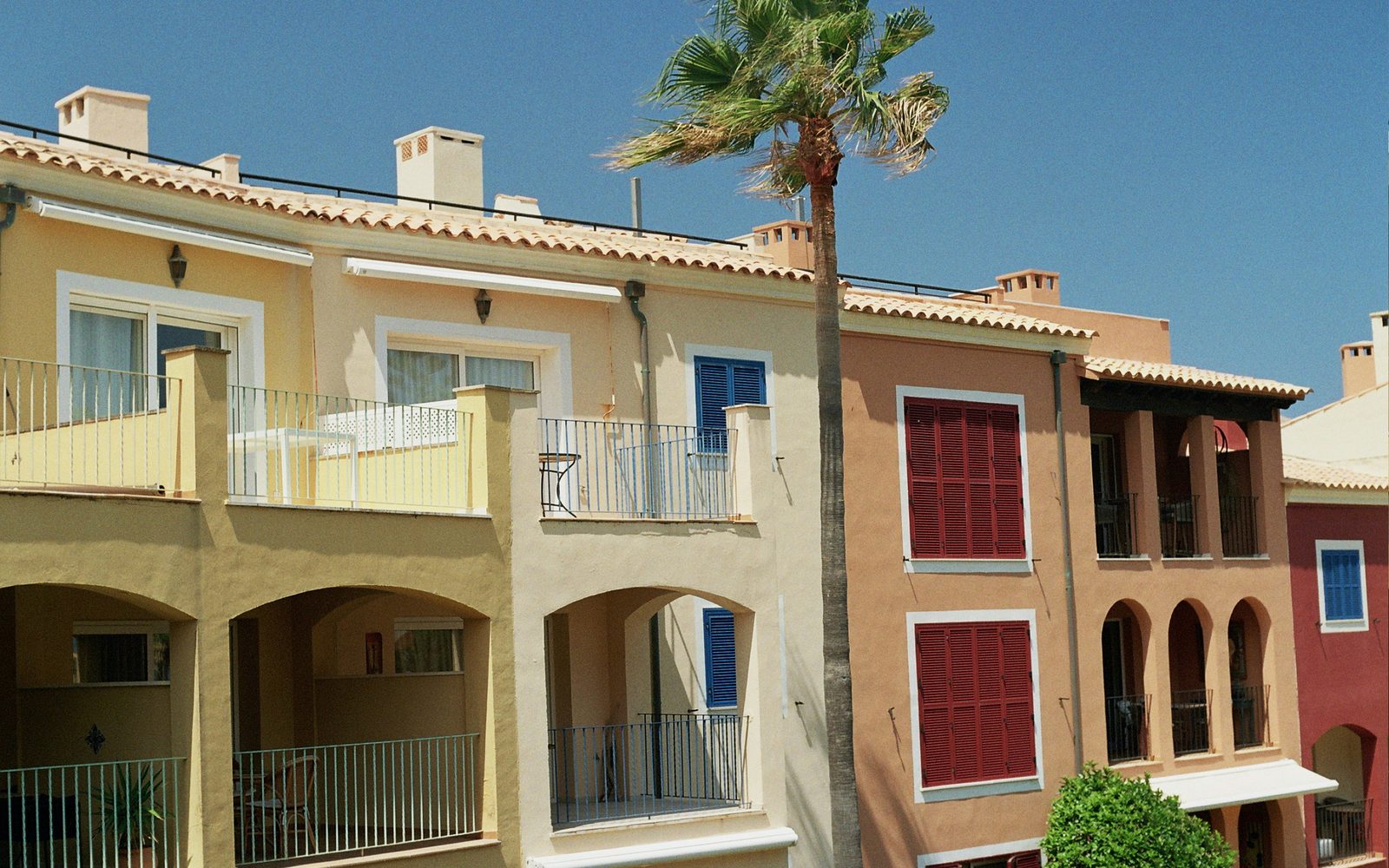
With a condo, you usually own the interior of your unit, and the association owns and maintains the building, roof and common areas, so dues tend to be higher and cover more. With a townhome, you more often own the land under your unit and take on more of the exterior yourself. Condos can face stricter financing rules depending on the project's finances and owner occupancy. The labels aren't always accurate, so read the documents to see what you actually own and what the HOA covers.
Choosing between a condo and a townhome in Chandler comes down to real differences in ownership structure, fees, and lifestyle, not just which one looks nicer online.
The ownership structure difference
Condo ownership typically means you own the interior of your unit while the HOA owns and maintains the building structure and exterior. Townhome ownership more often includes the land beneath your unit, giving you more direct responsibility, and control, over the structure itself.
Here's the catch: listings use these words loosely. Some properties called townhomes are legally condos. What matters is the recorded documents, so read the CC&Rs and the plat to see what you actually own.
Comparing HOA fees and what they cover
Condo HOA fees often cover more, building exterior, roof, sometimes water or trash, reflecting the larger shared maintenance responsibility. Townhome HOA fees can be lower since owners often handle more of their own structure's maintenance. I'll pull specific numbers for any property you're considering.
| Condo | Townhome | |
|---|---|---|
| You usually own | The interior of the unit | The unit and the land under it |
| Roof and exterior | Usually the HOA | Often the owner, sometimes the HOA |
| HOA dues | Often higher, cover more | Often lower, cover less |
| Insurance | An interior policy, plus the HOA's master policy | Often a fuller policy on the structure |
| Financing | Can depend on the project's approval | Usually like a single family home |
Financing differences worth knowing
Some loan programs treat condos differently than townhomes, occasionally with stricter approval requirements for condo developments depending on the building's finances and owner occupancy ratio. Your lender can clarify specifics for a given property, ideally before you write an offer.
For FHA and VA loans, the condo project itself may need to be approved, or the individual unit may need its own approval. Both agencies keep searchable lists of approved condo projects. Ask your lender to check the project before you fall in love with a unit, because a project that isn't approved can limit who can buy it from you later too.
Insurance differences
A condo owner usually needs a policy for the interior and personal property, while the association's master policy covers the building. A townhome owner may need to insure the whole structure. Read what the HOA's policy covers and get your own quote early.
Who fixes what when something leaks
With attached homes, a leak doesn't stay in one unit. If water from an upstairs unit damages your ceiling, the CC&Rs and the insurance policies decide who pays. The association's master policy may have a large deductible, and the documents say how that deductible gets split. Read that section before you buy, and make sure your own policy covers what the master policy doesn't.
Shared walls and noise
Attached homes mean shared walls, and sometimes shared floors and ceilings. Visit at different times of day and listen. Ask whether the unit is an end unit or in the middle, since end units usually share fewer walls. An upstairs unit means no one walking above you, and a downstairs unit means no stairs to carry groceries up.
Parking matters more here
In Arizona, covered parking is a real feature. A car parked in the open in July gets hot enough to make the first few minutes of every drive miserable, and the sun is hard on paint and dashboards. Ask whether the unit comes with a garage, a carport or open parking, how many spaces it gets and where guests park.
Privacy and space considerations
Townhomes often offer more private outdoor space and feel more like a traditional single family home, while condos can offer a lower maintenance, sometimes more affordable entry point, particularly in amenity rich communities.
Check the association's health
With a condo, you're sharing a roof, walls and a budget with your neighbors. Review the reserve study, the budget, the minutes and any pending special assessments or litigation. More in What should you know about a Chandler HOA before you buy?
Resale considerations
Both can hold value well in the right community, but it's worth researching the specific building or community's track record, owner occupancy, and HOA financial health before buying either type.
When you're comparing prices, compare condos to condos and townhomes to townhomes, in the same community when you can. Location in the community matters too. A unit next to the pool or the main entrance and one tucked in a quiet corner can sell for different prices.
Rentals inside the community
The share of units that are rented can matter for financing and for how the community feels. Some loan programs look at owner occupancy in condo projects, and some HOAs limit rentals or set minimum lease terms. If you might rent your unit someday, read those rules now, since they can change by owner vote. See Short term rental rules in Chandler, AZ.
The bottom line
Whether a condo or townhome fits your lifestyle and budget better, I'll help you compare real options honestly.
Let's take the confusion out of this decision, schedule your clarity call today.
Questions, answered.
Is a condo or townhome a better investment in Chandler?
It depends on the specific property, community, and your goals, I'll help you compare real options based on your budget and priorities.
Do condos have higher HOA fees than townhomes?
Often yes, since condo fees typically cover more shared structural maintenance, though this varies significantly by specific community.
Are condos harder to finance than townhomes?
Sometimes, depending on the specific project's financial health and owner occupancy, your lender can clarify requirements for a given property.
How do I know if a townhome is really a condo?
Read the recorded documents, the CC&Rs and the plat. They show what you own and what the association owns, regardless of what the listing calls it.
What insurance do I need for a condo?
Usually a policy covering the interior and your belongings, while the association's master policy covers the building. Confirm what the master policy includes.
Want to talk it through?
Bring me the specifics of your situation and I will tell you straight what I would do. No pitch, nothing to sign, and no obligation to work with me afterward.
Compare options with me